

Audience of Oblivion: On Medicine Stunts
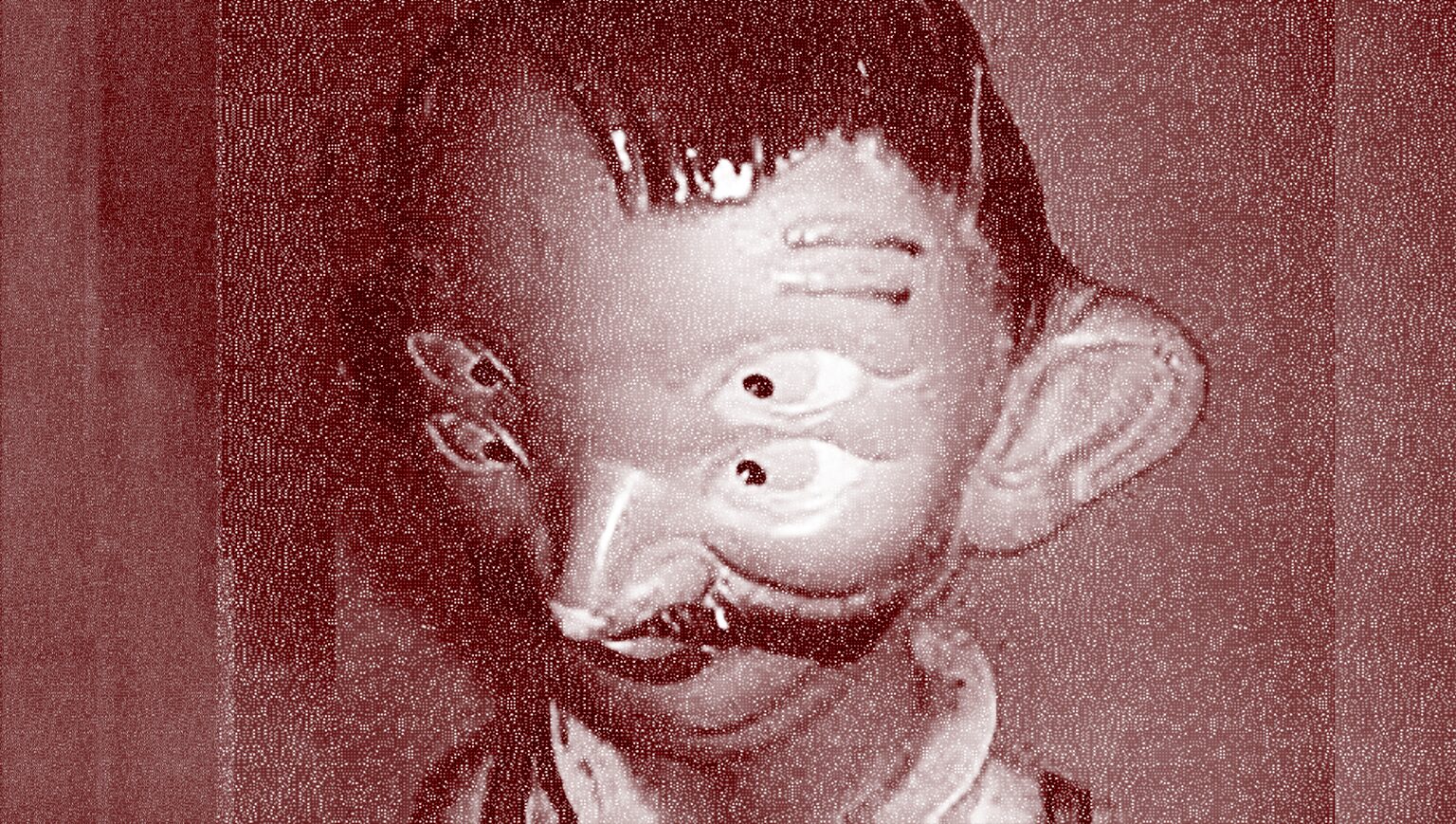

There’s something wrong with the thing on the cover of Medicine Stunts. I don’t mean that it has four eyes – I mean, obviously that’s “wrong,” but that’s not what I mean. I mean that it feels like it came from somewhere else, a place I’ve never been, but that I think I’ve glimpsed sometimes, just briefly, just for a moment, through a gap between the panels of the painted backdrop of this or that uneasy dream. It’s a funny sort of place, I think, where old clapboard shacks and one-room jails and dusty toolsheds are spread out across vast slabs of flat and gray concrete, spread out with miles of nothing much in between them, just tumbleweeds, metal shavings, splintered bits of wood, a railroad tie driven in the ground. Maybe there’s a filling station here and there, with a falling-down repair shop attached to it where all the windows are smeared opaque, and there’s never any answer when you ring the bell, just the sudden feeling there are eyes on you, but mostly it’s just empty out there, and the sun never seems to set, and no one’s in a hurry, and no one’s really alive or dead. There isn’t any reason why I should think the thing on the cover of Medicine Stunts is from this place, or that this place even exists at all, but I do. I do. And it’s a place you have to be careful about, a place you don’t want to hang around too long, because it’s a funny sort of place, like I said, with a funny sort of way of making you forget just where you came from, and how you might go back. You might even start to think you want to stay there, but you don’t. You really don’t. There’s something wrong with it. It will make you into something you won’t recognize, like a trap snapping shut, before you even feel it happening.

If you have any interest whatsoever in American noise music, you already know who Aaron Dilloway is. He’s been doing this since the ’90s. He founded Hanson Records. He’s in Wolf Eyes, who got closer to being actually famous, back in the aughts, than anyone could have anticipated. He was in a lot of other projects too, some of which you might have heard of, most of which you probably haven’t, unless you (like me) have a seriously archeological interest in this shit. He’s also a prolific solo artist – we’re talking well over a hundred discrete releases. Something important to understand about Dilloway is he’s a noise musician, yes, but kind of incidentally. First and foremost, at least in his “mature” work, he’s a tape guy: tape loops, tape recordings, general tape fuckery. Sometimes this results in work that could straightforwardly be called “noise” – stuff that’s harsh, chaotic, abrasive, amelodic. More often though, really, a Dilloway album is something much weirder, much harder to pin down. It will sound disconcerting, off-kilter, odd, little gnomic fragments assembled into sequences that make you not sure what to make of them. It’s these albums, consistently, that I find myself most drawn to in his oeuvre, far more so than the harsher ones (which are good, too, don’t get me wrong, but which walk a much more well-worn path, which constitute a type of experience it’s much easier to find elsewhere). The best of these albums I find to be evocative in a very particular sort of way that resembles, really, nothing else. They are like little pocket universes seen through frosted glass: you couldn’t quite explain what it is, this world you’re being shown, the rules and principles that govern it, its origin and meaning, it’s all a bit too obscure for that, a bit too blurry – but the general thrust is unmistakable, is something you feel more than understand. And Medicine Stunts, without a doubt, is one of the best.

There are three tracks on the album, two long ones with a short one slipped in between. Stunts 1, 2, and 3, respectively. The whole thing lasts barely over half an hour. The first sounds we hear, on the first track, are an irregular industrial rumbling, like a diesel engine slowly choking on its own fumes. Soon, a kind of stumbling mechanical sound emerges atop it, unsteady in the manner of someone trying to drag themselves across a distance, one step at a time, with heavy metal sheets strapped around their knees, trailing on the floor behind them. There is groaning and squealing and sudden crashing reverberations, all of it with the texture of something recorded to reel-to-reel under unfathomable circumstances and then stashed in a closet for forty years before surfacing in an estate sale in a house with too many animal skeletons under the floorboards. And then there is the core motif of the composition, a long, low, waxing and waning drone, very fuzzed at the edges, like a warning siren for something it’s far too late to do anything about. This is a sound which is rich and flat and prickly like holding your hand just above the surface of a glass of carbonated water. It’s a strangely dignified sound, tired but dutiful, and very lonely. It fades in and out regularly, steadily, and it feels a bit like a bank of fog rolling over the land, thinning out, thickening again. But it is a dry fog, certainly. You stand inside it and you feel your life ebbing away, and it feels comfortable, actually, you feel peaceful about it, because you know you’re not really dying. No, what is happening to you belongs to a different category altogether. The second track is a sketch of sick, squishy scraping sounds, wetter than anything else on the album but still without anything organic about it, anything that’s alive in a way we’d understand. And then, finally, there is the third track.
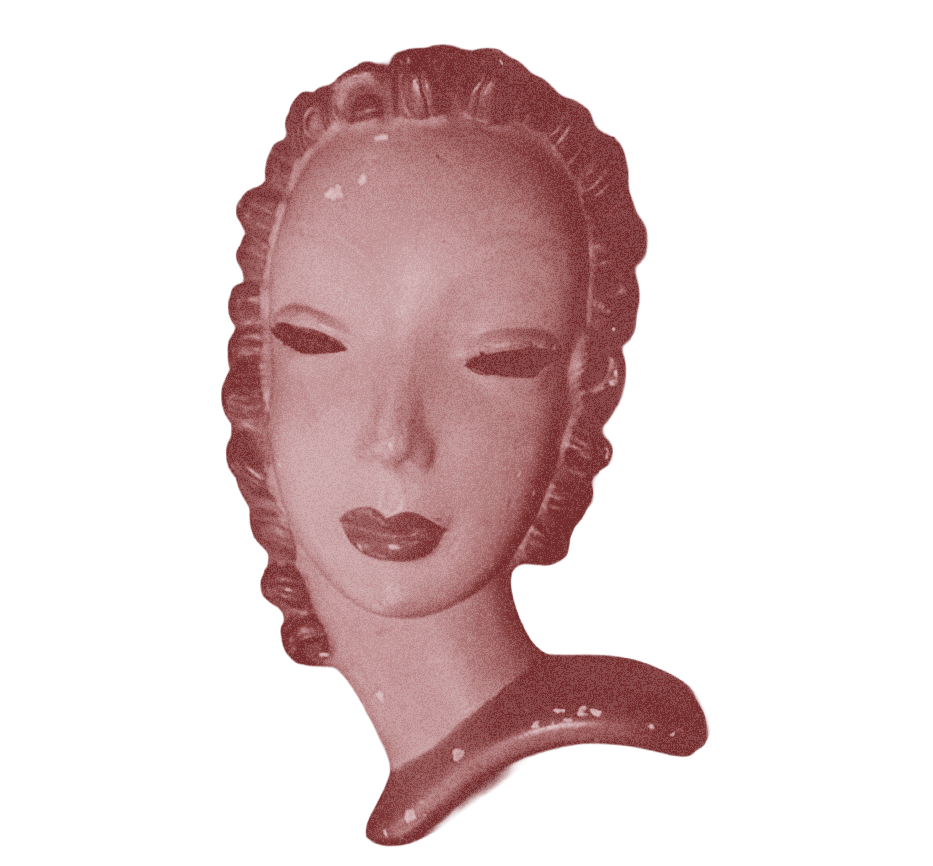
The third track of Medicine Stunts has a core motif which is as distinct as that of the first, but of a very different nature – the sound of someone whistling. A strange, harsh whistling, lonely and windswept, but something unmistakably the product of throat, lungs, breath. It is, by a wide margin, the most human sound on the album, which means it is also the weirdest, the most uncanny, the one which brings it closest to a nightmare, a real nightmare, not the general idea of a “scary dream,” but a situation in which it is horribly apparent everything is wrong in a way which is fundamental and unfixable. It emerges, after several minutes, out of a morass of busy little squeaking noises, heavy, muffled thuds, ambiguous scraping sounds. The sense one gets from this, as from much of the album, is of strange, half-broken machines, falteringly attempting to perform some inscrutable task of which they are no longer capable, perhaps have never been capable, perhaps were designed to be incapable of, to fail at, again and again, forever, stumbling in circles towards an eternity that will never arrive, for an audience of no one, an audience of oblivion, hidden behind a black rubber curtain that falls not quite to the floor. And then, from this stuttering murk, emerges the whistle. Quiet at first, then getting louder, but never that loud. It stays in a softer, wearier range. The siren-drone from the first track was weary, too, but in a different way. It was a sound which simply existed, as alien as a neutron star, and its weariness came from its resignation to this fact. But a whistle is not alien, not entirely, no matter how strange. It comes from somewhere, it means something – in a whistle, narrative exists.
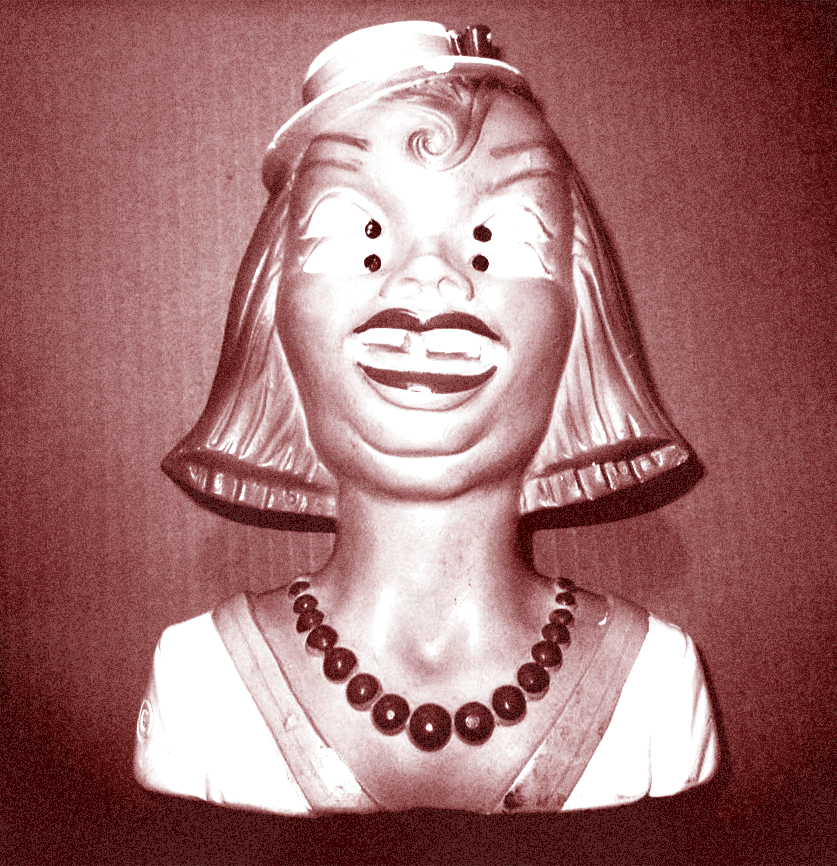
Who is it, we can ask, that wanders among these creaks and clatters and scrapes, making such a sound? Where did they come from? Where are they going? And perhaps I’m listening too closely, reading too much into things, but is there not an edge to this whistle, to its character, something ironic, almost mocking? Perhaps, you might start to think, this whole thing is just a gambit to get you to let your guard down. Perhaps the idea is, the next time you’re walking with the sun burning in your eyes and the grit blowing in your face, you won’t notice that turn in the path wasn’t there yesterday, that you’ve stepped through a thin slit in everything that you’ve known and gone out into some other place, a place wide and empty and smelling faintly of steel and cobwebs and gasoline. It’s a place that you don’t want to be, but it will be too late to go back, the way that you came will have already sealed itself up again, it will have never been there, and you’ll hear a sound in the distance, and it will be getting closer. Perhaps the idea is, it was already too late when you were born.
David can be found at davidcporter.net, his new book, NTTN, is available here.